
 English


Have you ever wondered how surgeons perform precise, minimally invasive procedures with real-time imaging? The answer often lies in the use of the C-Arm. This versatile tool is crucial in modern medical imaging, enabling doctors to capture live X-ray images during surgeries.
In this article, we will guide you through the effective use of a C-Arm, including its setup, positioning, and safety protocols. You will learn how to optimize image quality and ensure the safety of both patients and medical staff.
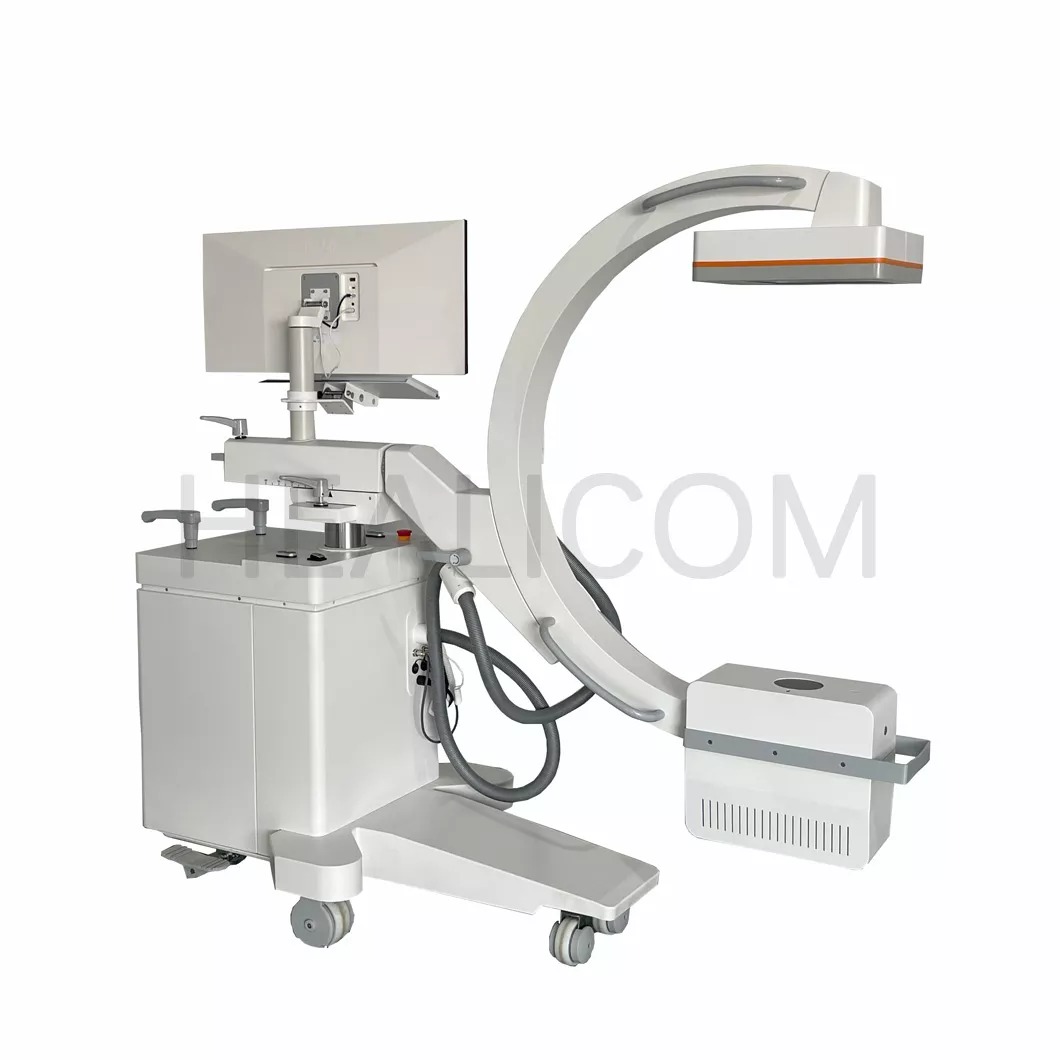
The C-Arm is a specialized X-ray imaging system that derives its name from the C-shaped arm that connects two key components: the X-ray tube and the image intensifier. The unique C-shaped design allows the device to rotate around the patient, offering the flexibility to capture multiple imaging angles without needing the patient to be repositioned. This flexibility makes C-Arms ideal for use in surgical settings, where precision and real-time feedback are critical.
Introduced in the 1950s, C-Arms have come a long way in terms of design and functionality. Over time, these devices have become vital for a wide array of medical specialties, including orthopedics for joint replacements, cardiology for stent placements, and pain management procedures. Their mobile and compact design allows them to be used in a variety of environments, whether in an operating room, emergency department, or a specialized clinic.
The C-Arm consists of several essential parts that contribute to its advanced imaging capabilities:
C-Shaped Arm: The C-shaped arm is the defining feature of the machine. It connects the X-ray source and the detector, enabling a full 360-degree rotation around the patient, allowing healthcare professionals to achieve multiple imaging angles.
X-ray Source: Positioned on one side of the C-Arm, the X-ray tube emits the radiation that passes through the patient’s body.
X-ray Detector: Located opposite the X-ray source, the detector captures the X-rays that have passed through the patient. It converts these rays into electronic signals that are processed to create a high-resolution image.
Control Panel: The control panel is used by operators to adjust the imaging settings, including radiation levels, image contrast, brightness, and the positioning of the C-Arm. Operators can use the control panel to adjust the device during a procedure to achieve the best possible image.
Familiarizing yourself with these components is essential for proper operation and ensuring optimal image quality during use.
| Component | Description |
|---|---|
| C-Shaped Arm | Connects the X-ray source and the detector, allowing for full rotation around the patient. |
| X-ray Source | Emits X-rays that pass through the patient’s body, positioned on one side of the C-Arm. |
| X-ray Detector | Captures X-rays that pass through the patient, converting them into electronic signals. |
| Control Panel | Used by the operator to adjust settings such as radiation levels, brightness, and image contrast. |
Before using the C-Arm, it’s crucial to familiarize yourself with the control panel and its various settings. Ensure the system is correctly set up, with all necessary cables securely connected and the system powered on. A thorough understanding of the machine's interface will help you navigate through different functions, making the procedure smoother and faster.
Preparation Steps:
Power on the C-Arm system, ensuring that all components are operational.
Check the image quality settings (brightness, contrast) to ensure they meet the requirements of the specific procedure.
Verify that all emergency buttons and safety features are functional to ensure the safety of both the operator and the patient.
Positioning the C-Arm correctly is one of the most crucial aspects of using the machine. Start by aligning the device with the area of interest on the patient’s body. Adjust the height and angle of the C-Arm to ensure the X-ray beam targets the correct anatomical area. The ability to maneuver the C-Arm in multiple directions makes it possible to achieve the optimal angle for capturing high-quality images.
Positioning Tips:
Adjust the height of the C-Arm to match the targeted body part, whether it's a joint, spine, or another area of interest.
Rotate the C-Arm to find the best angle for imaging, ensuring that the area of interest is clearly visible.
Be mindful of maintaining a safe distance between the C-Arm and the patient or surgical table to avoid obstruction and to prevent any unintended movement.
As you become more comfortable with basic positioning, you can begin using advanced techniques to access more complex imaging angles. The flexibility of the C-Arm allows for tilting, swiveling, and vertical and horizontal adjustments, which are critical when imaging hard-to-reach anatomical areas such as the spine or joints.
Advanced Techniques:
Tilt the C-Arm head to obtain views from difficult angles, such as the underside of the patient or areas obscured by other body parts.
Use the horizontal travel function to shift the machine side-to-side, which is particularly useful when imaging large areas or adjusting the view.
Adjust the vertical lift to ensure the device is correctly positioned relative to the patient's height and the area being imaged.
It is important to ensure that the C-Arm remains stable during imaging to prevent any movement that could result in blurred or inaccurate images. Engaging the brakes and locks on the machine will secure the C-Arm in place, ensuring that it stays in the desired position throughout the imaging process.
Stability Steps:
Double-check that the brakes are fully engaged to prevent any unintended movement during the procedure.
Confirm the machine’s position and stability before starting the imaging process, as even slight shifts can affect image quality.
Utilize the locking mechanisms on the C-Arm to ensure it remains securely positioned during the entire procedure.
Fluoroscopy is an advanced X-ray imaging technique that allows healthcare professionals to observe real-time images of a patient’s internal structures. Unlike traditional X-rays, which capture static images, fluoroscopy provides a continuous series of live images, making it an invaluable tool for guiding surgeries and other medical procedures.
Fluoroscopy is crucial in procedures where continuous observation is necessary, such as catheter placements, stent insertions, and joint surgeries. The ability to monitor these processes in real-time enhances precision and helps avoid complications during treatment.
Fluoroscopy Uses:
Guide surgical instruments in real time, improving precision and reducing the risk of errors.
Track the flow of contrast agents to visualize blood vessels or the movement of internal organs.
Monitor patient progress during interventions, enabling immediate adjustments as needed.
Ensuring safe radiation levels is critical when using C-Arms. The device allows operators to adjust the radiation dose to the lowest acceptable level while still providing high-quality images. This is essential for minimizing exposure to both the patient and the medical staff.
Radiation Safety Tips:
Always use the lowest radiation dose that still provides the necessary image clarity.
Collimate the X-ray beam to limit exposure to the targeted area, reducing unnecessary radiation to other body parts.
Adjust radiation settings based on the patient’s size, the procedure type, and the required image quality.
Radiation safety is a primary concern when operating any X-ray equipment. Following established protocols, such as the ALARA (As Low As Reasonably Achievable) principle, will help ensure that radiation exposure is minimized. Routine calibration and safety checks are vital for maintaining high-quality imaging while protecting the patient and healthcare professionals.
Safety Protocols:
Strictly follow the ALARA principle to ensure radiation exposure is kept to a minimum.
Perform regular maintenance and calibration checks to ensure the system operates safely and accurately.
Use protective shielding when possible, such as lead aprons, to further reduce exposure.
| Radiation Safety Tip | Description |
|---|---|
| Use Lowest Radiation Dose | Always adjust settings to use the lowest dose required for adequate image quality. |
| Collimate the X-ray Beam | Limit exposure to the target area only, reducing unnecessary radiation. |
| Adjust for Patient Size | Set radiation levels based on the patient’s body size and the type of procedure. |
| Monitor Regularly | Perform checks to ensure that radiation exposure is kept at a minimum. |
Different types of surgeries require different C-Arm settings. For example, orthopedic surgeries may require highly detailed images of bones and joints, while cardiovascular procedures may need larger images to capture the blood vessels. Understanding the specific needs of each procedure will help you adjust the C-Arm to provide the best imaging results.
Procedure-Specific Adjustments:
In orthopedic surgeries, adjust the C-Arm for high-resolution bone images, focusing on joint areas and bone structure.
For cardiovascular procedures, increase the image storage capacity and adjust radiation levels to visualize blood flow.
In neurosurgery, use specific settings that reduce radiation exposure while maintaining image clarity.
| Procedure Type | Recommended C-Arm Settings |
|---|---|
| Orthopedic Surgery | High-resolution imaging for bones and joints, increase image storage. |
| Cardiovascular Surgery | Larger X-ray field for blood vessels, increase radiation levels for clarity. |
| Neurosurgery | Lower radiation exposure, ensure high image clarity for delicate structures. |
Maintaining accuracy during imaging is crucial, as even small errors can affect the outcome of a surgery. Ensuring that the C-Arm’s settings are correctly calibrated and that the images are clear and correctly oriented will help minimize mistakes. Advanced controls, like pulsed fluoroscopy, can also help reduce radiation exposure while improving imaging accuracy.
Accuracy Enhancement:
Ensure the C-Arm’s images match the actual anatomical positions of the patient.
Utilize pulsed fluoroscopy to minimize radiation exposure, especially during longer procedures.
Regularly check the clarity and alignment of images to ensure accurate results.
Effective communication between the surgeon and C-Arm operator is essential to achieving the best results. Discussing the desired imaging angles and ensuring the C-Arm is positioned correctly will save time and reduce the need for repeated adjustments during surgery.
Communication Tips:
Use clear, concise language to describe the required imaging angles and positions.
Check in frequently with the operator to ensure the C-Arm remains correctly positioned.
Implement standardized communication protocols to avoid misunderstandings and ensure smooth operation.
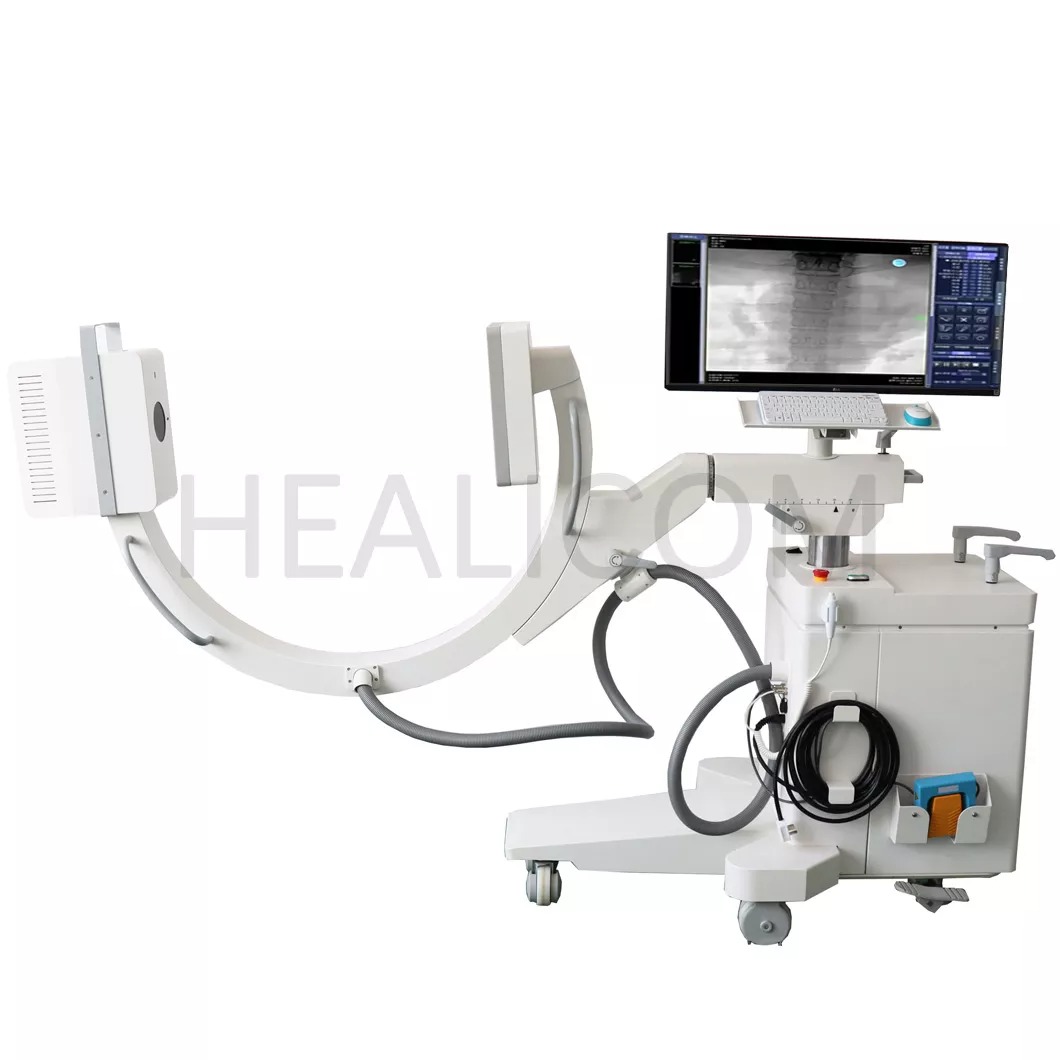
C-Arms provide real-time, high-resolution images that significantly enhance the surgeon’s ability to make precise decisions during surgery. This capability helps reduce the likelihood of errors and complications, improving patient outcomes.
Precision Benefits:
Continuous imaging allows surgeons to adjust their actions in real time, improving accuracy.
Reduced need for exploratory surgeries due to the clear visibility of internal structures.
Enhanced ability to guide surgical instruments with precision, minimizing risks.
Mobile C-Arms offer unparalleled flexibility, allowing healthcare professionals to take the device wherever it's needed. These mobile units can be easily moved from one room to another, providing on-demand imaging capabilities without the need for fixed equipment. This is especially beneficial in emergency departments or operating rooms where quick access to imaging is necessary.
Mobile C-Arm Advantages:
Ability to move C-Arms between different departments or facilities.
Suitable for use in smaller or more specialized spaces where fixed systems are not feasible.
Provides high-quality imaging without the need for dedicated, permanent space.
The ability to perform minimally invasive procedures with the guidance of a C-Arm leads to quicker recovery times and less discomfort for patients. The real-time imaging ensures that surgical procedures are as accurate as possible, reducing the risk of complications and speeding up healing.
Patient Outcome Improvement:
Minimally invasive surgeries lead to faster recovery and reduced hospital stays.
More accurate procedures reduce the risk of complications, improving overall health outcomes.
Less invasive treatment options mean less pain and a quicker return to normal activities for patients.
Using a C-Arm effectively requires technical knowledge, skill, and practice. By following best practices for setup, positioning, and radiation safety, healthcare professionals can ensure optimal use during surgeries. As C-Arm technology evolves, continuous training and staying updated are crucial to provide excellent care while ensuring patient safety.
Mobile C-Arms offer flexibility and portability, ideal for diverse medical settings. With advanced fluoroscopy technology, they deliver real-time imaging that enhances surgical precision, helping operators make informed decisions. For healthcare professionals looking to integrate advanced C-Arm technology, Healicom Medical provides state-of-the-art products designed for exceptional performance and patient care.
A: A C-Arm is a medical imaging device that uses real-time X-ray technology to capture live images. The C-shaped arm allows rotation around the patient, providing flexibility to view from different angles during surgical procedures.
A: To position a C-Arm, align the device with the target area on the patient’s body. Adjust the height, rotation, and angle of the arm to achieve the best imaging angle for clear and precise results.
A: Fluoroscopy provides real-time X-ray images, allowing healthcare professionals to monitor procedures as they happen. This dynamic imaging enhances precision and guides surgical instruments accurately, reducing risks.
A: Always use the lowest radiation dose necessary, collimate the X-ray beam, and adjust settings based on patient size. Follow the ALARA principle to minimize radiation exposure during procedures.
A: Mobile C-Arms offer portability and flexibility, allowing them to be easily moved between rooms or facilities. They provide high-quality imaging without the need for dedicated space, ideal for dynamic medical environments.
A: Regular maintenance is essential to ensure the C-Arm is operating correctly. Perform routine checks, calibration, and servicing to maintain high imaging quality and extend the device's lifespan.


